



Most children are ready to start formal Quran lessons, meaning the Arabic letters and Noorani Qaida, somewhere between ages 4 and 6. Some are ready a little earlier. Some need another year. Before formal lessons, the best start is simply listening. How your child sits, listens and copies sounds tells you more than their birthday does.
I want to be straight about one thing first. No verse or hadith names an age for starting Quran lessons, and no study has found one perfect age. The “4 to 6” you will see on most academy websites, including ours, is a sensible rule of thumb. This post explains what it rests on, and how to tell whether your own child is ready.
The Short Version
| Age | What fits | Your role |
|---|---|---|
| Under 4 | Listening to recitation, Bismillah before meals, short duas | Play it at home and say the words together. No lessons yet |
| 4 to 6 | Arabic letters and Noorani Qaida, in short sessions | Sit next to your child, especially at the start |
| 7 to 9 | Reading with Tajweed basics, short surahs | Many families start Hifz here, once the child reads comfortably |
| 10 and over | Same starting point: the letters | Never too late. Start with Qaida |
What the Islamic Sources Say About Age
The Quran and the hadith do not set an age for starting Quran lessons.
The text people usually reach for is the hadith in Sunan Abi Dawud (495), where the Prophet ﷺ tells parents to command their children to pray at seven. Al-Albani graded it hasan sahih. It is about prayer, not Quran lessons, and parents often take seven as a rough marker for more structured religious training. A Hanafi answer on Seekers Guidance adds that a guardian may begin earlier if the child shows understanding.
Custom fills in the rest. In some South Asian families, in the Deccan tradition for example, a Bismillah ceremony marks a child’s first reading at around four years and four months, with the first five verses of Surah al-Alaq. It is a custom, not a rule, and it lands inside the 4 to 6 range.
What Child Development Adds (and What It Cannot Tell You)
Three points from research help, and one of them is a warning.
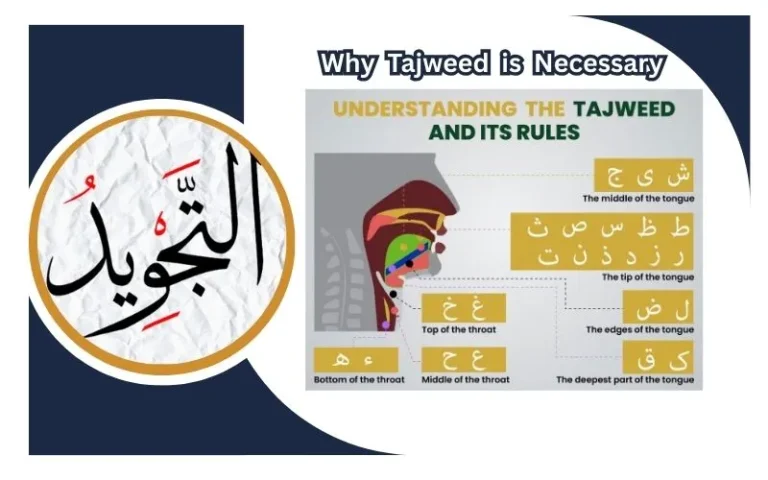
Young children are tuned to sounds. Research on infants shows that the ability to tell apart speech sounds from other languages starts to narrow between 6 and 12 months. That matters here because Arabic has sounds English does not, such as ع, ح, خ and ق. It is reasonable to think a child who hears these from a good reciter early finds them more natural. That is my reading of the research, and the studies themselves are about babies, not Quran classes.
Attention is not fixed by age. Child development writers say it is hard to name a typical attention span for each age. Interest, sleep the night before, breakfast, stress and distractions in the room all change how long a child can stay with something. A four-year-old might manage ten minutes on a good day and three on a bad one.
No study names an age. Nobody has shown that 4 beats 5 or that 6 beats 7 for learning Quran. Anyone who says otherwise is selling you confidence. What research supports is a window, and your child’s own readiness decides where inside that window to start.
Five Signs Your Child Is Ready for Lessons
- They can follow a simple two-step instruction, like “sit here and look at the screen.”
- They can stay with a short activity, such as a puzzle or a story, with a grown-up beside them.
- They repeat sounds and short phrases back to you.
- They show interest in letters, books or the Quran itself.
- They are comfortable learning with someone who is not a parent.
If most of these are a yes, go ahead. If not, wait a few months and keep listening at home. In my view, waiting a few months costs very little. Starting a child who dreads it can cost a lot more.
Is 4 Too Young for Online Quran Classes?
It can be fine, with some care.
The World Health Organization advises that children aged 2 to 4 get no more than one hour of sedentary screen time a day, and that less is better. The American Academy of Pediatrics, in 2016, advised up to one hour a day of high-quality programmes for ages 2 to 5. Neither statement addresses live lessons directly. A lesson with a teacher who talks to your child is not the same as watching videos. It is still screen time, and I count it against that hour.
What I would do with a four-year-old:
- Keep the class short and the rest of the day’s screen time low.
- Sit next to your child for the first few weeks.
- Book a free trial first and watch how your child responds, rather than deciding in advance.
- Be willing to pause for a few months if they are not ready.
Our classes run 30 minutes. Every new tutor goes through 15 to 20 days of training that covers how to handle different age groups and how to keep young children engaged. You can read how that works in How We Vet Our Quran Tutors. You can also meet the team on our online Quran teachers page.
What to Do Before Formal Lessons
If your child is under 4, you are not behind. These are the habits that help most:
- Play recitation at home at a calm time of day, such as in the car or before bed.
- Say Bismillah aloud before meals and let your child copy you.
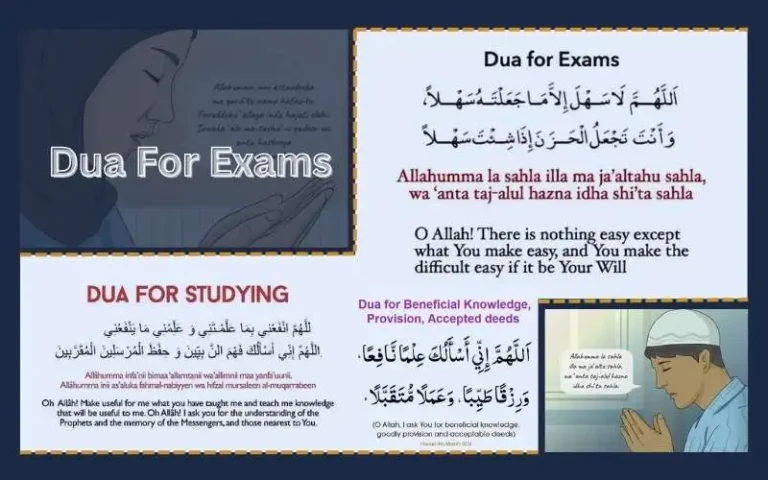
- Teach short duas by repetition, one at a time.
- Tell stories together. The WHO encourages reading and storytelling with a caregiver during quiet time for young children. Stories of the prophets fit here.
Do not test them. At this age the goal is that the Quran sounds familiar and friendly.
Mistakes I See Parents Make
- Comparing with a cousin. “She finished at eight” is a story about one child. Your child is on their own timeline.
- Starting Hifz before reading is comfortable. In my view, memorising by ear without solid reading tends to leave gaps that show up later. Reading first gives memorisation something to stand on.
- Pushing through tears. A child who learns to dread the Quran at five is harder to win back at nine.
- Choosing a tutor who has not been trained to teach children. Reciting well and teaching a young child are different skills, and a tutor with an Ijazah still needs the second one.
What If My Child Is Already Older Than 6?
It is not too late. A ten-year-old who has never opened the Quran starts in the same place as a four-year-old, with the letters and sounds. Older children usually move through them faster, because they already read in another language and can sit for longer.
If that sounds like your child, look at our Noorani Qaida course.
Frequently Asked Questions
What is the best age to start learning the Quran?
Between 4 and 6 for formal lessons such as the Arabic letters and Noorani Qaida. Listening and short duas can begin earlier. The right moment depends on your child’s readiness more than their age.
Can a 3-year-old learn Quran?
A 3-year-old can listen to recitation, say Bismillah and learn short duas by repetition. Formal lessons are usually better left until around 4 to 6, depending on the child.
Is 4 too young for online Quran classes?
Not always. WHO advises no more than one hour of sedentary screen time a day for ages 2 to 4, so keep classes short, sit with your child, and try a free trial first.
At what age should my child start Hifz?
Many families begin Hifz between 7 and 9, once the child reads comfortably. There is no fixed age. Reading first usually makes memorisation easier.
Is 10 too late to start learning Quran?
No. Start with the letters and Noorani Qaida, as any beginner does. Older children usually move through the basics faster.
Should my child learn to read before memorising?
In my view, yes. Memorising by ear without solid reading tends to leave gaps that show up later.
How long should a Quran class be for a young child?
Our classes run 30 minutes. For a young child, keep the rest of the day’s screen time low and sit nearby. A free trial class shows whether 30 minutes suits your child.
How can I tell if my child is ready?
Look for five signs: they follow simple instructions, stay with a short activity, repeat sounds back, show interest in letters or books, and are comfortable with someone other than a parent.
Does a female tutor make a difference for young children?
Some families prefer one. We have female Quran teachers for every course, with the same credentials as our male tutors.
See How Your Child Responds in a Free Trial Class
The easiest way to know whether your child is ready is to try. Book a free trial class at MY QURAN TUTOR, sit next to them, and see how they get on.