Ramadan fasting is the most important part of Muslim worship during this holy month. In this worship, Muslims avoid food and drink and fulfill their physical needs from dawn to sunset. This practice helps build discipline, patience, and a stronger connection with Allah.
Ramadan fasting is one of the five pillars of Islam and holds great spiritual importance for Muslims. It helps you to develop self-discipline, gratitude, and compassion for those in need. Each fast begins before sunrise and ends at sunset, following a consistent daily schedule throughout the month.
Here, we are going to help you learn about Ramadan fasting, understand the correct methods of fasting, and how to earn its correct rewards. This guide explains the rules, daily timing, purpose, and benefits, along with helpful tips to make fasting easier and more meaningful.
What Is Ramadan Fasting and Why Does It Matter in Islam?
Fasting is an important part of prayer for Muslims, who do not eat or drink from dawn to sunset during the month of Ramadan. In simple words, it is a time when Muslims control their physical needs to obey Allah and clean their hearts. This is the fourth pillar of Islam, which is important for every adult Muslim.
Ramadan fasting helps Muslims improve their spiritual practices and strengthen their faith. It builds discipline, patience, and self-control in daily life. Muslims also learn to be grateful and to understand the struggles of people who live without enough food. The teachings of Prophet Muhammad teach that fasting brings a person closer to Allah and helps build good character and strong faith.
When Ramadan Fasting Starts and Ends Each Day?
Fasting in Ramadan has a daily schedule based on Islamic prayer times. Every fast starts before dawn and ends at sunset. These timings are associated with specific prayers and are observed according to the local timetable of each city or country.
Daily Start Time
- Fasting begins at Fajr (dawn) prayer time.
- The last meal before fasting is called Suhoor, eaten before Fajr.
- It is important to follow your local prayer timetable to ensure the correct start time.
Daily End Time
- The fast ends at Maghrib (sunset) prayer time.
- Muslims break their fast with the Iftar meal at sunset.
- Iftar has spiritual importance, as it is a moment of gratitude, prayer, and reflection.
Monthly Duration
- Ramadan lasts 29 or 30 days, depending on the sighting of the moon.
- The dates change every year because the Islamic calendar follows the lunar cycle.
Who Must Perform Ramadan Fasting?
This is the religious duty of every Muslim, but it is important for those who are able to observe fasting. It is important to understand who must fast, and knowing who is excused ensures the fast is done properly with sincere intention.
Muslims Required to Fast
Ramadan fasting is required for adult Muslims who are physically and mentally able to fast. This includes those who have reached puberty and are in good health. Fasting during Ramadan is a mandatory act in Islam and one of the Five Pillars of Islam, making it an important part of a Muslim’s religious responsibilities.
Who Is Exempt from Fasting?
Some individuals are excused from fasting due to valid reasons. These include:
- Children are too young to understand or handle fasting.
- Sick people have serious health problems and a higher risk of being harmed by fasting.
- Old people don’t have to fast if it is too hard or harmful for their health.
- Pregnant or nursing women are allowed for for protecting their health and the child’s well-being
- Travelers do not have to fast if it is difficult or causes hardship during their journey.
Those who miss fasts for these reasons are expected to make up the missed days later, when they are able, or provide compensation if making up the fast is not possible.
Fasting Rules That Muslims Should Follow During Ramadan
Fasting is not just about avoiding food and drink. There are clear rules that Muslims must follow to make sure their fasting is valid and meaningful. Following these rules helps build discipline, good character, and a strong focus on worship throughout the holy month.
Actions That Break the Fast
Certain actions nullify the fast and must be avoided:
- Eating or drinking intentionally: Consuming food or drink deliberately during fasting hours.
- Marital relations during the day: Engaging in intimate relations during daylight hours of fasting.
- Deliberate vomiting: Intentionally causing oneself to vomit while fasting.
Actions That Do Not Break the Fast
Some daily activities do not affect the fast:
- Brushing teeth: Permissible as long as nothing is swallowed.
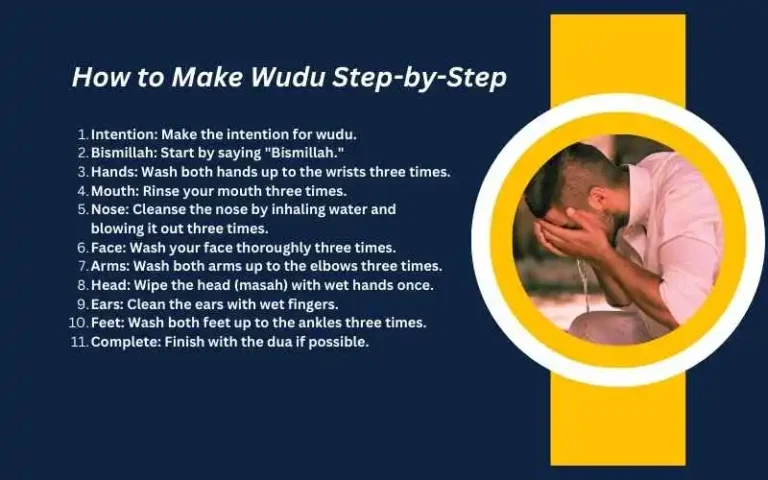
- Bathing or showering: Allowed, including performing ablution (wudu) for prayers.
- Accidental eating or drinking: If done unintentionally or out of forgetfulness, the fast remains valid.
Behavioral Rules
Fasting also includes controlling behavior and speech:
- Avoid lying, arguing, or bad speech: Maintain honesty and patience
- Maintain good character: Act kindly and respectfully
- Increase worship and good deeds: Pray, give charity, and help others to strengthen spiritual growth
Purpose of Ramadan Fasting Beyond Avoiding Food and Drink
Ramadan fasting is not just about missing meals. It is a time to grow and improve. It teaches patience, self-control, and gratitude. Muslims use this month to strengthen their faith, care for others, and try to become better people.
Spiritual Purification
With fasting, your heart and soul become clean, and it removes negative thoughts and habits. It strengthens a Muslim’s connection with Allah through prayer, reflection, and devotion.
Self-Discipline and Control
By staying away from food, drink, and other physical needs during the day, Muslims learn patience and self-control. This practice helps them control their desires and be more careful about their actions.
Developing Compassion
It helps every Muslim to understand the struggle of people who go hungry daily. It encourages acts of kindness, charity, and generosity, reminding Muslims to care for others and share their blessings.
Daily Schedule of Ramadan Fasting from Morning to Night
Following a daily routine helps Muslims observe Ramadan fasting correctly and gain its full benefits. Knowing the fasting time during Ramadan ensures the fast is performed properly from dawn to sunset.
Pre-Dawn Routine
Muslims begin the day by waking up for Suhoor, the pre-dawn meal. Before starting the fast, it is important to make the intention (Niyyah) to fast, as this sets the spiritual purpose for the day.
Daytime Routine
During the day, Muslims focus on prayer and carry out their regular work or activities. It is important to avoid actions that break the fast, maintain good behavior, and stay mindful of spiritual goals.
Evening Routine
The fast ends at sunset, marked by Iftar, the meal to break the fast. Afterward, Muslims perform evening prayers and engage in spiritual activities such as reading the Quran, making Dua, and reflecting on their day.
Physical and Mental Benefits of Ramadan Fasting
Ramadan fasting is not only a spiritual practice but also offers many benefits for the body and mind. Observing the fast in the correct way can improve physical health, mental clarity, and overall well-being while deepening spiritual connection.
Physical Benefits
- Supports natural body cleansing: Gives the digestive system time to rest and reset.
- Better metabolism: Helps the body use energy more efficiently.
- Digestive system rest: Allows the stomach and intestines to recover and work properly.
Mental Benefits
- Better focus: Helps improve concentration and awareness in daily tasks.
- Emotional control: Supports patience and better control over feelings.
- Clear thinking: Brings a sense of calm and sharper understanding.
Spiritual Benefits
- Inner peace: Builds calmness and helps reduce stress.
- Stronger faith: Increases belief and dedication.
- Closer connection with Allah: Deepens spiritual awareness and strengthens guidance.
Special Nights and Events During Ramadan Fasting
Muslims not only fast in Ramadan, but they also have very important nights that hold special value in every Muslim’s heart. If you take care and make worship in the last ten nights, it will increase the rewards and strengthen your faith.
Laylatul Qadr
Laylatul Qadr, also called the Night of Decree, is one of the most significant nights of Ramadan. Worship on this night is considered better than a thousand months. Muslims spend the night in extra prayers, reciting the Quran, and sincere reflection to seek Allah’s mercy and forgiveness.
Last 10 Nights
The last 10 nights of Ramadan are particularly sacred. During these nights, Muslims increase their worship, spend more time in prayer, and engage in acts of charity. These nights are a time for spiritual renewal and seeking closeness to Allah, as they carry special blessings and divine rewards.
Ramadan Fasting for Beginners: Complete Starter Guide
For those new to fasting, Ramadan can feel challenging, but following a clear guide makes the experience easier and more meaningful. Here are key points to help beginners fast effectively:
- It is important to know fasting hours, and the exact time is from dawn to sunset.
- Make the daily intention (Niyyah) before starting the fast.
- Follow a regular schedule of Suhoor, daytime prayers, and Iftar.
- Prepare nutritious and hydrating meals to maintain energy.
- Plan your day around prayer times and daily activities.
- Make sure you get proper rest to stay focused during fasting hours.
- Remember, fasting is both spiritual and physical.
- Strengthen your mind through prayer, reflection, and good deeds.
- Take care of your body with healthy meals and hydration during non-fasting hours.
- Maintaining this balance helps beginners gain the full benefits of Ramadan.
FAQs
Why do Muslims fast during Ramadan?
Muslims fast to obey Allah, strengthen their connection with Him, grow spiritually, build self-discipline, and nurture kindness and compassion toward others.
What is Ramadan fasting in simple words?
In Ramadan, fasting does not mean to stop yourself from eating or drinking from dawn to sunset while focusing on prayer, good deeds, and self-control.
How long is the fast during Ramadan each day?
Every fast lasts from Fajr until Maghrib, which is roughly 12 or 16 hours, depending on the location and season.
Who is exempt from Ramadan fasting?
Exemptions from fasting include children, the sick, the elderly, pregnant or nursing women, and travelers. Missed fasts should be made up later whenever possible.
What breaks Ramadan fasting?
Eating, drinking, or engaging in intimate relations during Ramadan during the day intentionally will break your fast.
What happens if you miss a fast?
Exemptions from fasting include children, the sick, the elderly, pregnant or nursing women, and travelers. Missed fasts should be made up later whenever possible.
Final Verdict
Ramadan is not just about fasting; it can transform your life spiritually, physically, and socially. With this, you can understand discipline and patience. You can also deepen your connection with Allah this month by following the rules, praying, and strengthening your faith.
Note: If you want to learn Islamic course, you can contact us for hiring expert male and female Quran Tutors.